Guizhou University (GZU) has introduced a set of new-term measures focused on research commercialization, campus safety, infrastructure and cultural services, as part of its broader push for its “Double First-Class” and high-quality development goals.
Science Park: A Bridge for the Lab-to-Market Gap
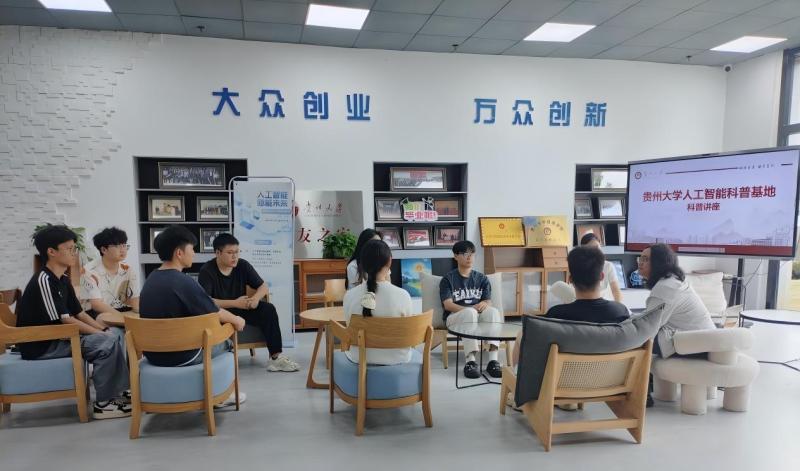
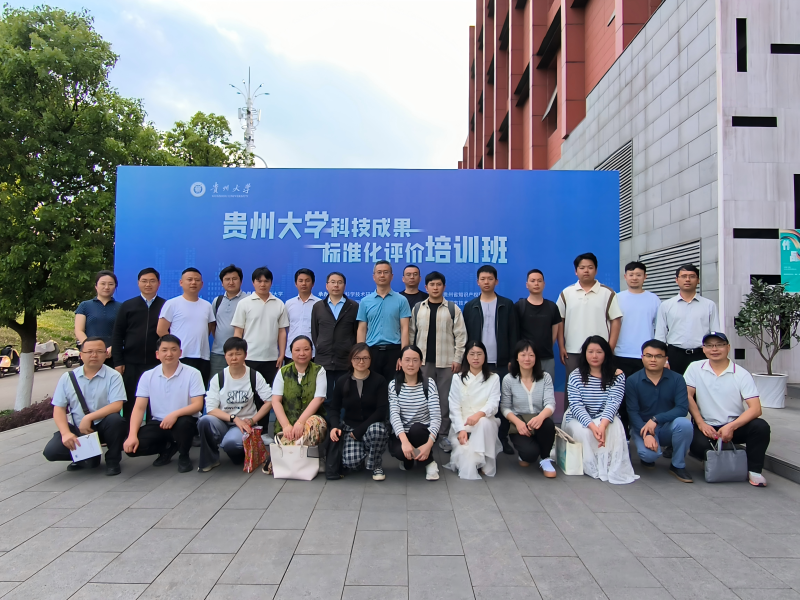
The GZU Concept Validation Center, established in January 2026 with collaborative efforts of the Guizhou University National Science Park and Huaxi Science and Innovation Park, is designed to bridge the early-stage gap between laboratory research and industrial use. It has trained 80 technology assessors and over 40 tech managers, and secured 4 million yuan under a central transfer-funded program in 2026. Now it is advancing 10 projects with enterprises including Guiyang Zhong’an Technology Group and Guizhou Tyre Co, Ltd.
Park officials say the next step is to better match research outputs with industry needs, strengthen validation and support services, and foster faculty–student innovation projects to accelerate commercialization. The center aims to generate 12 key technologies, 18 commercialized projects, and 72 new tech firms in 2026.
Security: Pre-Semester Safety Drive
The University has reported a safe and orderly campus environment at the start of the new semester, following a series of pre-term safety measures.
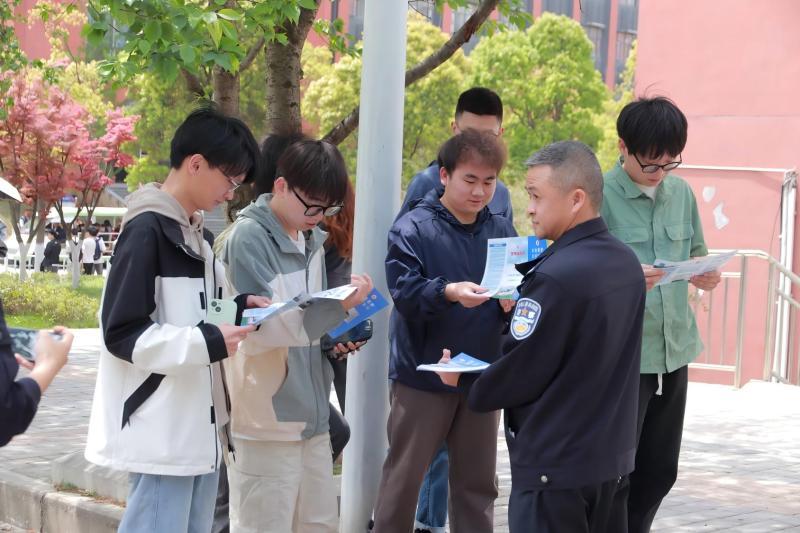
Before the term began, the security department conducted a campus-wide inspection, addressing more than 10 fire and traffic hazards. It has strengthened management of delivery vehicles and electric bicycles through a combination of control and guidance measures, and assigned six safety officers to student residential areas to conduct fire drills and anti-fraud campaigns.
Further measures are planned to improve traffic order, with a focus on regulating delivery vehicles and electric bicycles through targeted management and control measures, as part of broader efforts to strengthen long-term campus safety governance.
Infrastructure: 300 Million Yuan for New Buildings
Since 2024, the University has secured over 300 million yuan in central government funding for two major infrastructure projects, as part of national efforts to upgrade higher education under policies such as the “Two Major” and “Two New” initiatives, which focus on major national strategies and large-scale equipment and consumer goods renewal.
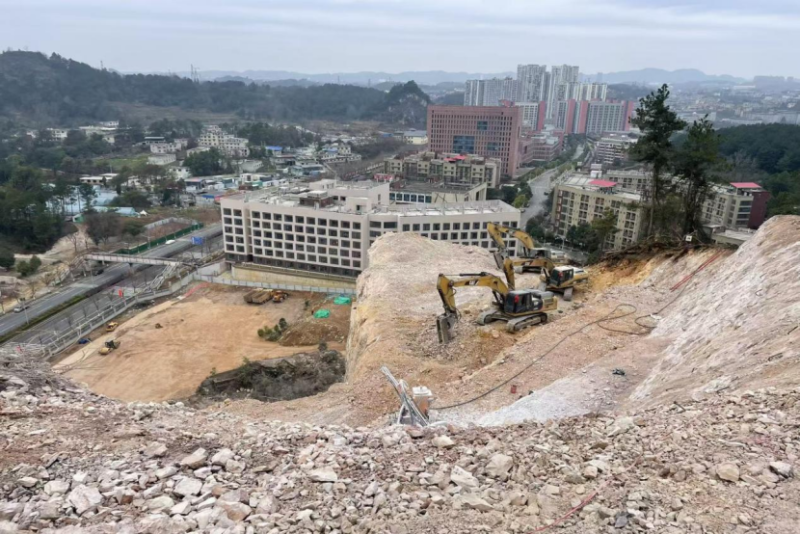
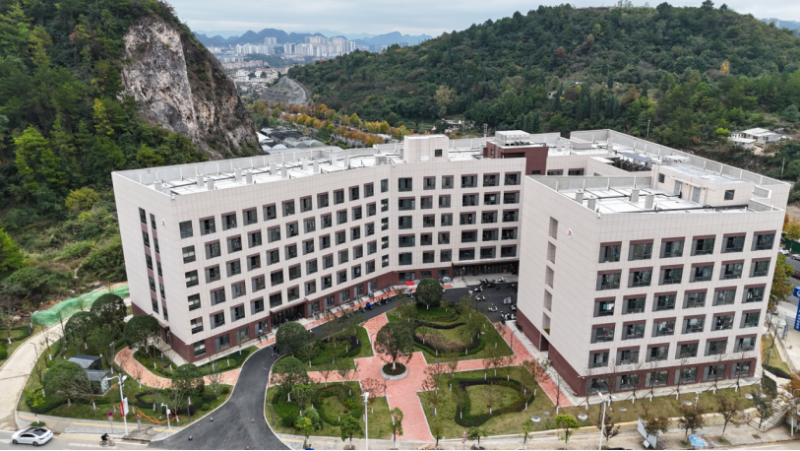
Backed by this funding, the University has advanced two key projects: The “Graduate Apartment Project” (Building No. 2), completed in 2025, now accommodates more than 1,600 students. Meanwhile, the “Student Dormitory Project (Phase I, Building No. 7),” is currently under construction. It is designed to house around 4,400 students and is expected to be completed in early 2027.
According to an official of the Infrastructure Department, the University will continue to advance applications for and construction of projects such as research buildings in the next phase. These efforts aim to ease campus housing shortages, improve student living conditions, and provide strong infrastructure support for GZU’s continued expansion and high-quality development.
Library: Upgraded Resources, Space, Cultural Programs, and Services
The Library of Guizhou University promotes student development through upgraded resources, space, cultural programs, and services.
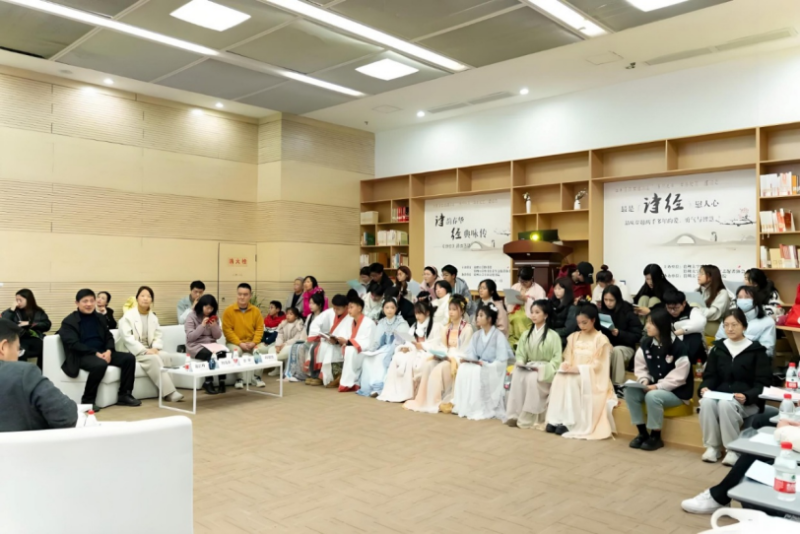
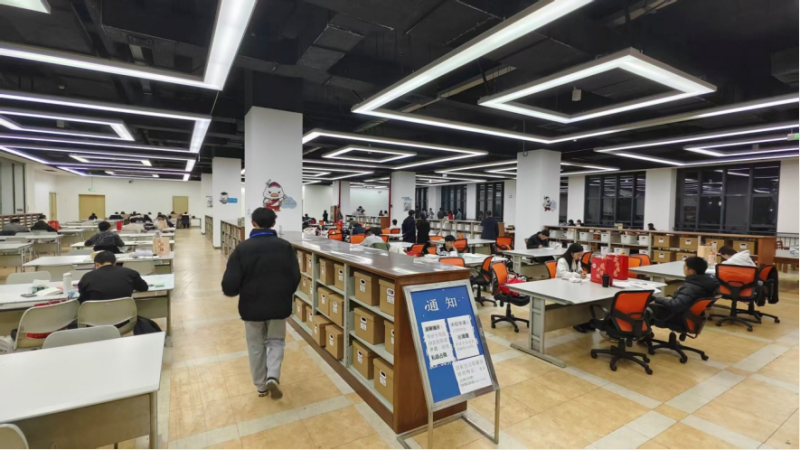
It has expanded its collections and digital platforms, and introduced faster document delivery services. Study spaces such as the West Campus Reading Center, the Yangming Hall, and the Gratitude Book Nook have been upgraded to better support learning. The library also promotes a year-round reading program, organizing activities such as classical reading sessions and group study of The Great Learning to carry forward traditional culture. In addition, it is upgrading toward a smart library system and developing more personalized reading services to better support students and faculty.
Through the concerted efforts of its departments, Guizhou University is advancing steadily with concrete actions and tangible results, driving progress toward its “Double First-Class” goals and high-quality development.
Editor: Pang Aizhong
Chief Editor: Li Xufeng
Senior editor: Yao Zuozhou
Translator: Xiao Qi


