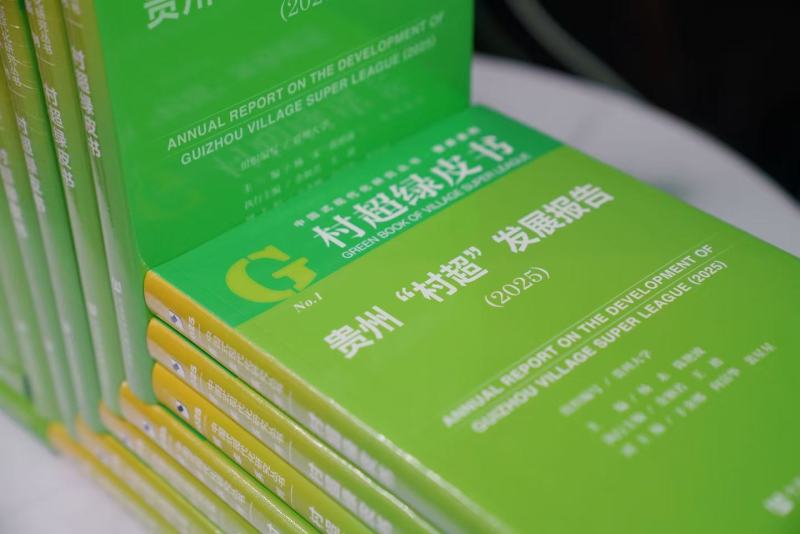
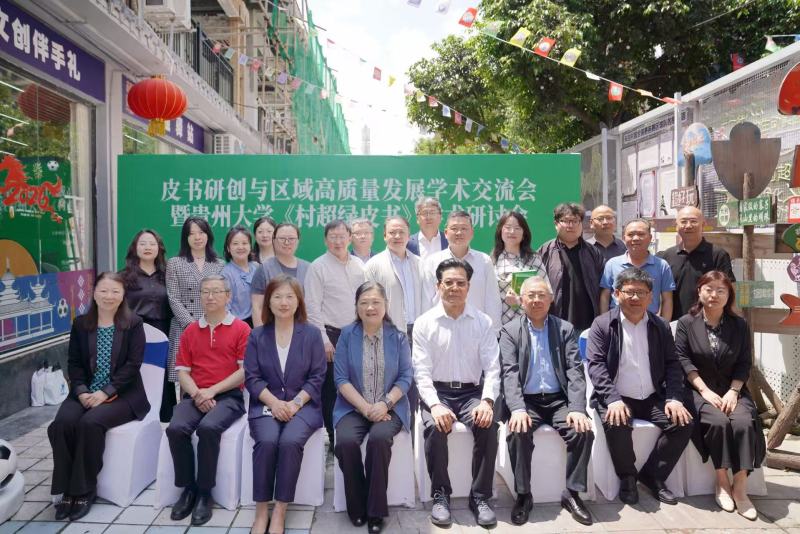
On April 17, a seminar on think-tank reports and high-quality regional development — and on GZU’s new “Village Super League Green Book” — was held in the meeting room of the Cun Chao stadium in Rongjiang County, Qiandongnan. The book, “Cun Chao: Guizhou’s Village Super League Development Report (2025),” was released at the event.
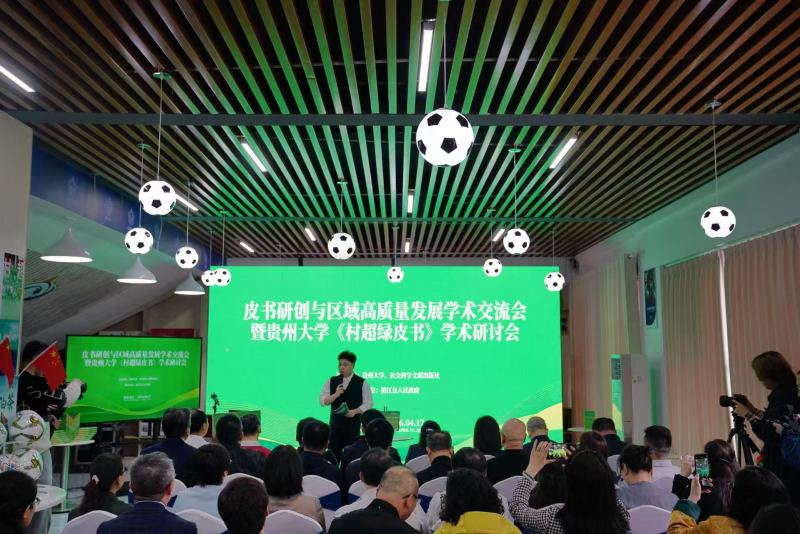
Compiled by GZU with researchers from universities and cultural institutions across the province, and published by the Social Sciences Academic Press, the book pairs an overview with studies of new-media reach, the fusion of farming, culture, tourism, sport and business, the county economy and social impact. It traces Cun Chao from kickoff to phenomenon, crediting a deep football culture, rich local traditions, a booming e-commerce sector and patient brand-building — and reads the result as “everyone plays, everyone enjoys,” “the government builds the stage, the people put on the show,” “every fan is a broadcaster,” and “a county brand that punches far above its weight.” For rural revitalization, it offers a working model.
Yang Wei, Party Secretary of GZU; Liang Yanling, Vice President of the Social Sciences Academic Press; and Xu Bo, Party Secretary of Rongjiang, spoke at the event, then joined the editors in unveiling the book.
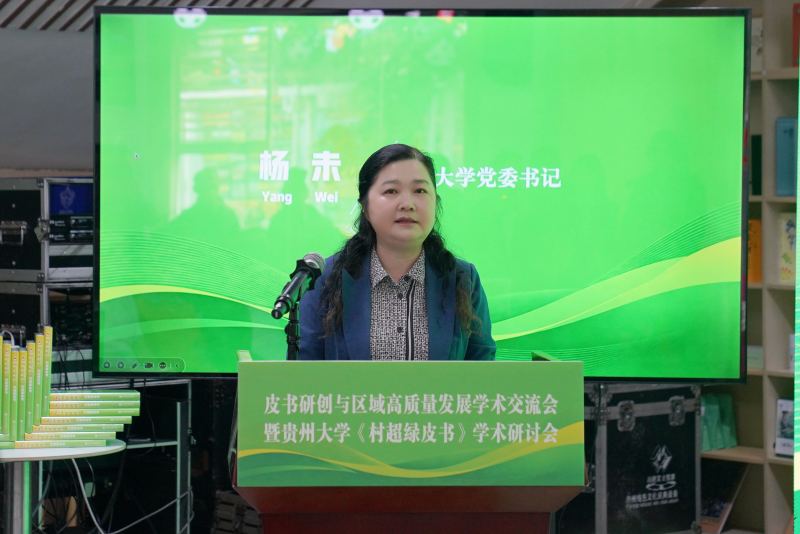
Yang called Cun Chao a telling snapshot of how culture, sport, tourism and commerce converge in Guizhou’s modernization. Its rise, she said, came from grassroots football, ethnic culture, e-commerce and cross-platform planning all pulling in the same direction. The trick is fusion: dividends that reach ordinary households, culture woven into daily life, and innovation shared across sectors. GZU will keep building the series and serve as a think tank for local government and industry.
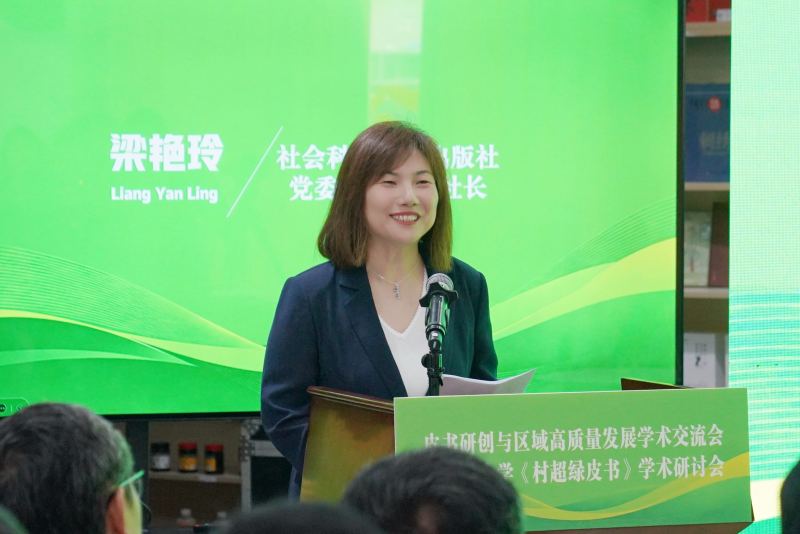
Liang noted that Cun Chao is a landmark of rural revitalization and a window onto county-level modernization. The Green Book is the first title published since the press and GZU began co-publishing, and the press will keep working with GZU on issues central to the Party, the government and people’s livelihoods.
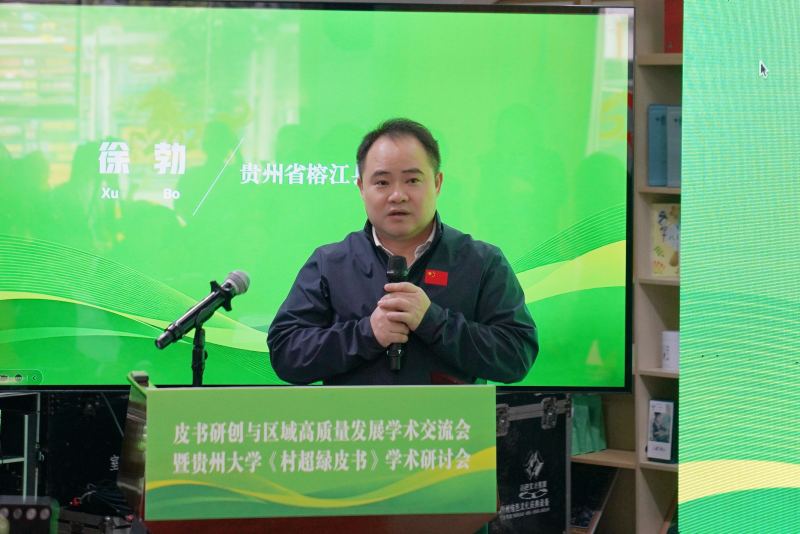
For Xu, the book is the fullest account of Cun Chao to date. Its core is “innovation by everyone” — residents create it, promote it, sustain it and organize it. Rongjiang has put people first and football at the center, taking Cun Chao from Guizhou to the world and moving from brand to industry to ecosystem.
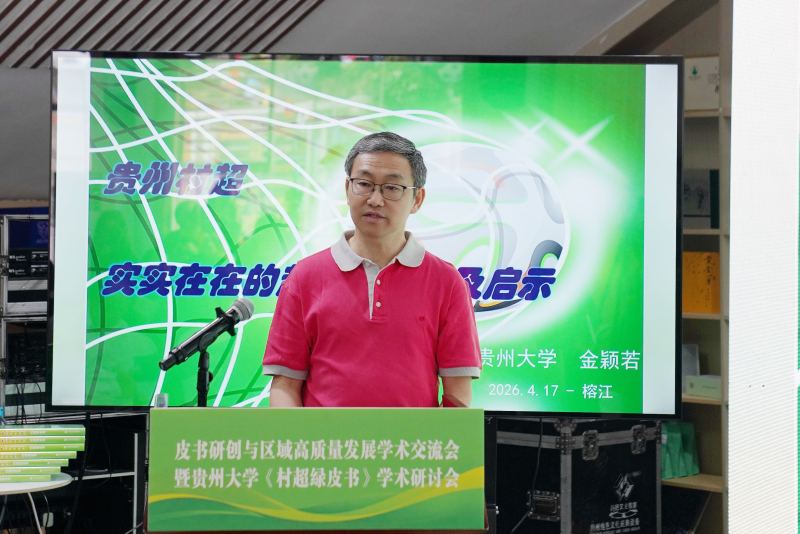
Jin Yingruo, GZU professor and executive editor of the book, said the phenomenon grew naturally from a strong grassroots base, vibrant culture, e-commerce and steady IP planning. Beyond tourism spending and an inflow of capital and talent, it has strengthened local pride, refreshed the image of rural life and deepened people-to-people ties — a real contribution to ethnic unity.
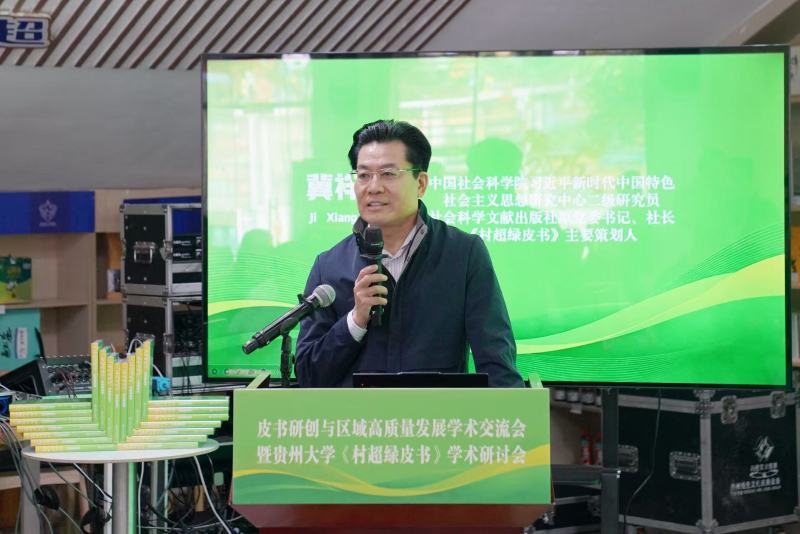
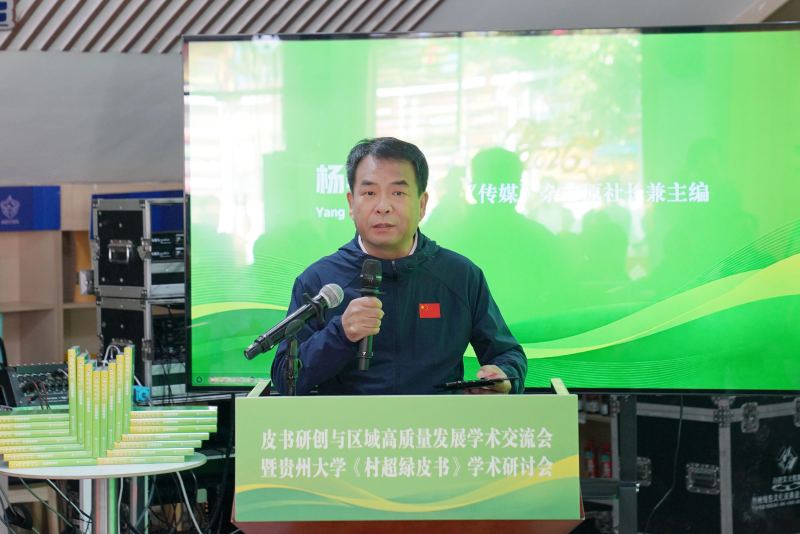
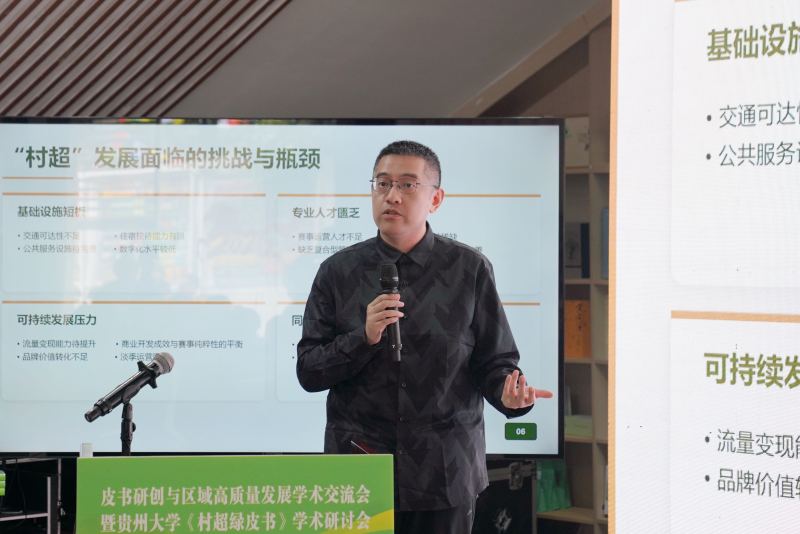
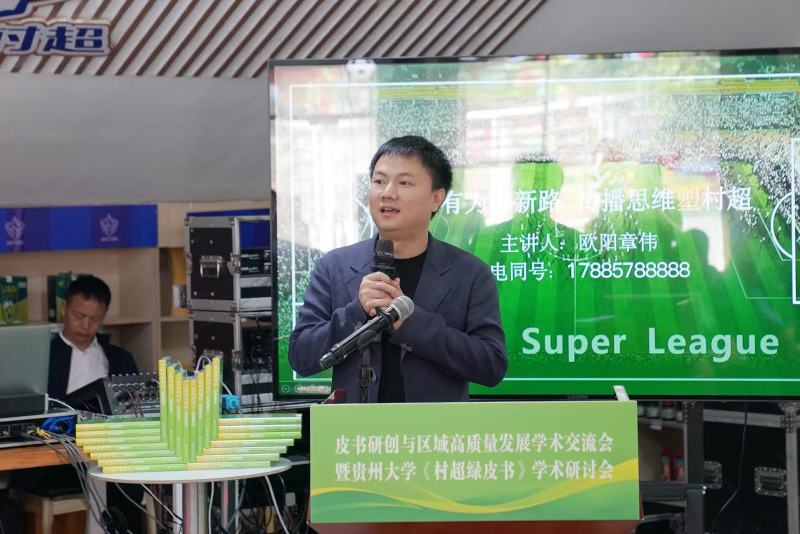
Ji Xiangde, a senior researcher at the Chinese Academy of Social Sciences, former head of the Social Sciences Academic Press and the book’s chief planner, called it a vivid record of county-level modernization and looked forward to further work with GZU. Yang Chiyuan, former editor-in-chief of Media, called Cun Chao a model for rural revitalization and the book authoritative, rich and path-breaking, urging sharper annual reports and more case studies. Feng Jun of Beijing Sport University read Cun Chao as a “double dividend” — market growth plus better livelihoods — at a time of population peak and pressure on traditional tourism. Ouyang Zhangwei, chairman of Guizhou Shan Gaga Group and the movement’s chief communications planner, summed up its run from viral hit to lasting draw as “outthinking, outflanking and reaping the rewards.”
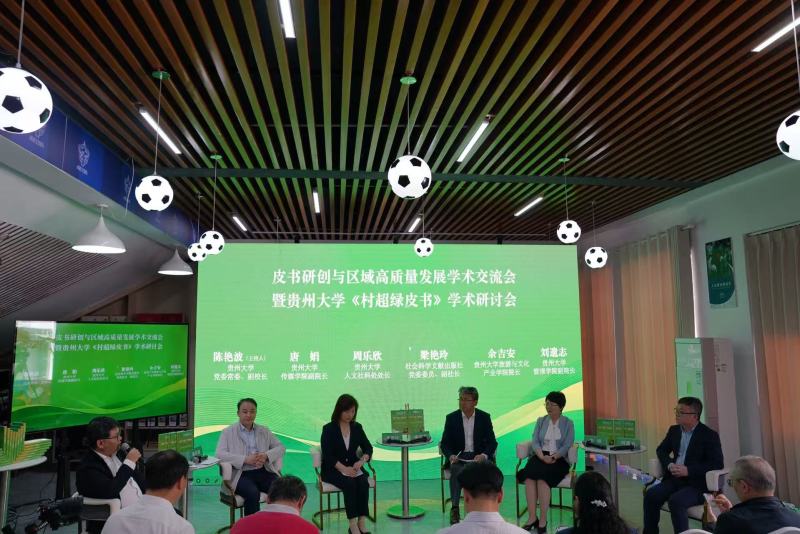
Chen Yanbo, GZU Vice President, moderated a roundtable with Liang Yanling, Zhou Lexin, Yu Ji’an, Tang Juan and Liu Yizhi on building think-tank reports and growing county economies.
Editor: Pang Aizhong, Ren Kejie
Chief Editor: Li Xufeng
Senior Editor: Yao Zuozhou
Translator: Du Xiaorui


