On April 24, Xishan Theater on Guizhou University's west campus was packed for the second 2026 session of the reading club under the "Fostering Virtue Through Education in the New Era" program. Vice President Chen Yanbo attended, joined by Jin Yingruo, academic adviser to the College of Tourism and Cultural Industry; library director Huang Cheng; department heads; and faculty and student representatives. The guest speaker was Ba Zhaoxiang — senior professor of tourism at Fudan University, GZU's academic vice president and head of its discipline-support expert group — who spoke on "From Tradition to Modernity: How Young People Express Culture." Li Panpan, a senior reporter with the Guizhou Journalists Association, moderated the session, which was hosted by GZU and organized by the office of humanities and social sciences, the tourism college and the No. 4 one-stop student community.
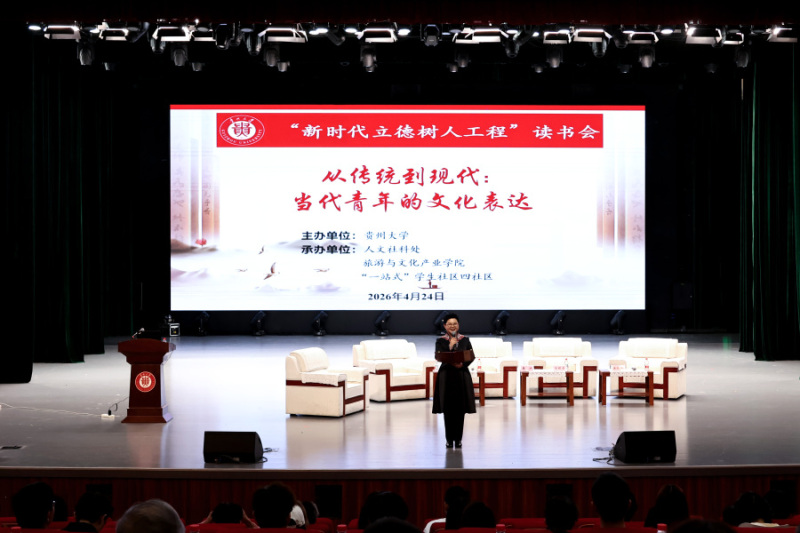
Chen said President Xi Jinping has called for firm cultural confidence and a modern Chinese civilization. The club, he said, starts from that confidence and steers students toward the classics. Reading local chronicles is one of the best ways to understand China and one’s own place; young people should hold their culture dear, meet the world on equal terms, and show the poise of a generation in dialogue between civilizations.
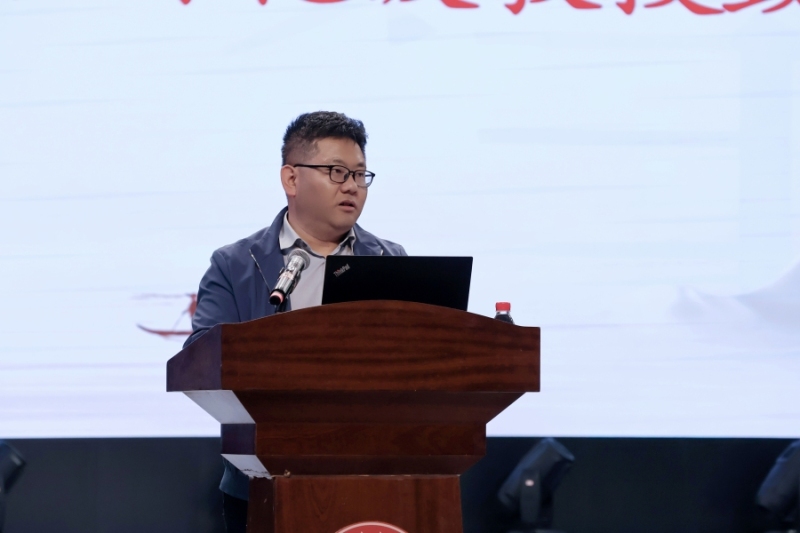
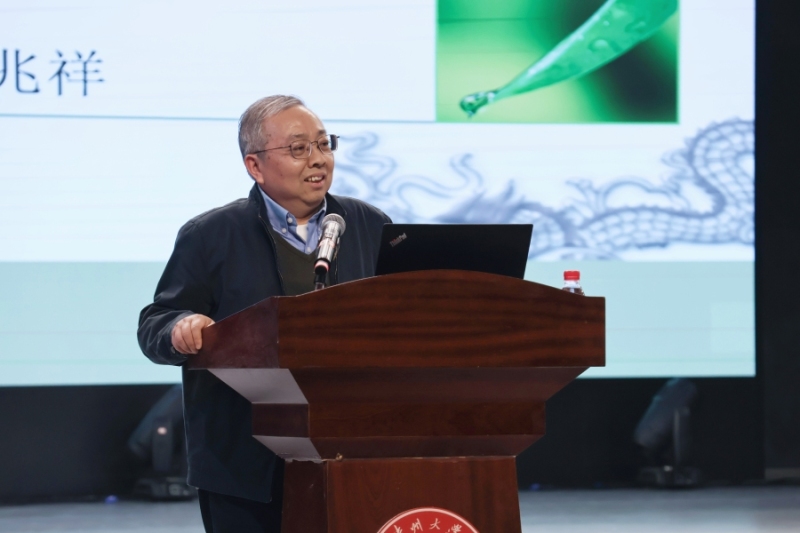
Ba Zhaoxiang’s talk, “Reading Chronicles, Learning from the Past: Seeing China Through Local Records,” laid out what chronicles — “local encyclopedias” — are worth today. They are how a country’s conditions, a region’s character and a cultural line are carried forward. Using case studies, he showed how local and national conditions shape development and society, and urged students to read the records, take up the task and become heirs, messengers and renewers of Chinese tradition.
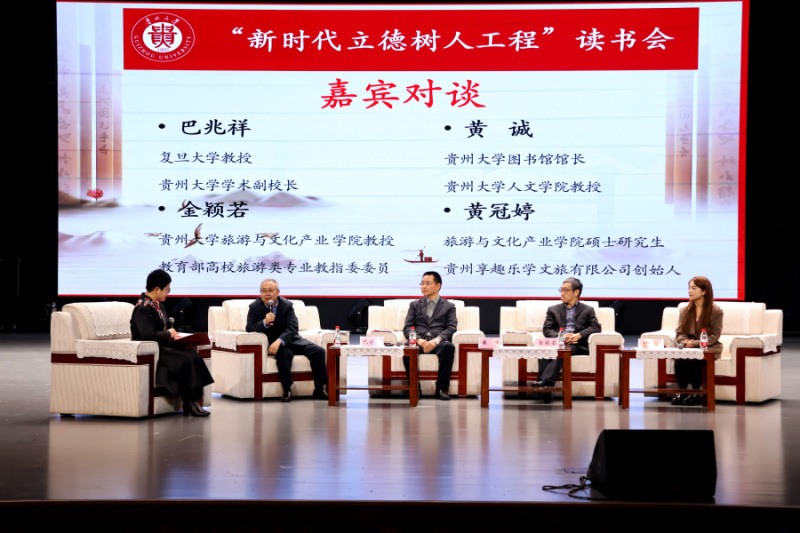
In the salon talk, the moderator and guests — Ba Zhaoxiang, Huang Cheng, Jin Yingruo and graduate student Huang Guanting — took up three questions: where young people’s cultural confidence comes from, what to read to build it, and how to live it day to day. The panel urged students to root themselves in tradition, read their way to confidence, and put both to work for the culture and the university.
In the Q&A session, students and faculty raised questions on chronicle culture and on how young people voice culture; the guests answered each one.
Editor: Pang Aizhong, Yin Zixi
Chief Editor: Li Xufeng
Senior Editor: Yao Zuozhou
Translator: Du Xiaorui


